5 Best AI Tools for Procedural Content Generation
Create infinite worlds with these 5 AI tools for procedural content generation. Compare their capabilities in terrain, quest, and level design.

Create infinite worlds with these 5 AI tools for procedural content generation. Compare their capabilities in terrain, quest, and level design.
5 Best AI Tools for Procedural Content Generation
If you have ever spent weeks hand-crafting a single forest biome only to realize it feels static and lifeless, you know the pain of traditional level design. Procedural Content Generation (PCG) is the secret sauce behind massive hits like No Man's Sky and Minecraft, but doing it manually is a nightmare. Enter AI-driven PCG tools. These aren't just random number generators; they are sophisticated systems that learn from data to create terrain, quests, and levels that actually feel intentional. Let's dive into the top 5 tools that are changing the game for indie developers and AAA studios alike.
Top AI Game Engines and Frameworks for Procedural Terrain
When we talk about terrain, we are talking about the backbone of your game world. You need tools that understand erosion, biomes, and player navigation. First on our list is World Creator. This tool uses AI-powered filters to simulate geological processes. It is incredibly fast, allowing you to generate realistic mountains and riverbeds in seconds. It integrates perfectly with Unity and Unreal Engine. Pricing starts at around $289 for a perpetual license, which is a steal considering the hours of manual sculpting it saves you.
Next up is Gaea. Gaea is a favorite among environment artists because of its node-based workflow. It uses AI to handle complex erosion patterns that look photorealistic. If you are building an open-world game, Gaea is your best friend. It offers a free version for learning, with professional tiers starting at $199. The key difference here is the control; while World Creator is great for quick iteration, Gaea gives you granular control over every ridge and valley.
AI Tools for Quest and Narrative Generation
Procedural terrain is cool, but what about the story? A world without quests is just a walking simulator. Articy:draft has been evolving to include AI-assisted narrative branching. It helps you map out complex quest lines that adapt based on player choices. It is not fully autonomous, but it acts as a co-pilot for your narrative design. It costs about $15 per month for the indie tier. It is perfect for RPG developers who want to ensure their procedural quests don't break the main storyline.
Then there is Inworld AI, which is taking the industry by storm. While primarily for NPCs, it is increasingly used for procedural quest triggers. Imagine an NPC that generates a quest based on the player's current inventory and location. That is the power of Inworld. They offer a generous free tier, with paid plans scaling based on usage. It is a game-changer for making your world feel alive.
Comparing Procedural Level Design Frameworks
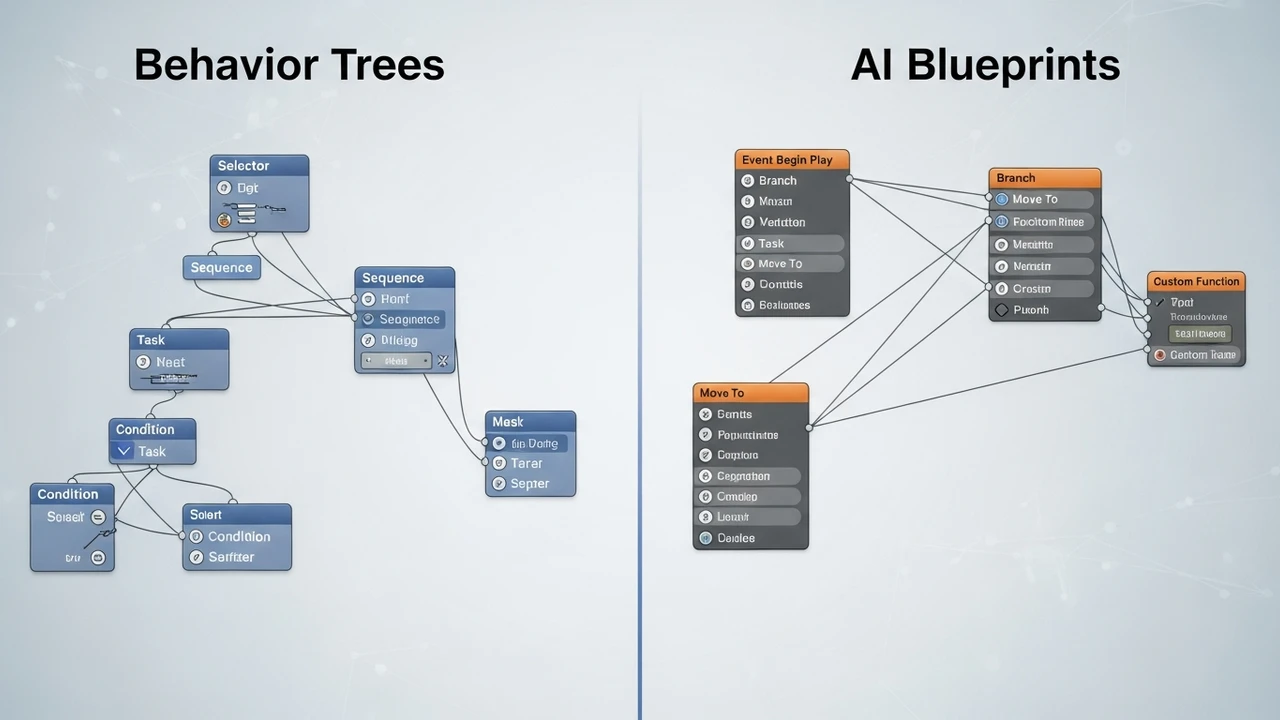
If you are looking for something more technical, PCG Graph in Unreal Engine 5 is the gold standard. It is not a third-party tool, but a built-in framework that uses AI-driven rules to populate your levels. You define the logic—like 'place trees only on slopes less than 30 degrees'—and the engine handles the rest. It is free with the engine, but the learning curve is steep. Compared to standalone tools like World Creator, PCG Graph is better for dynamic, real-time generation during gameplay, whereas World Creator is better for pre-baked, high-fidelity environments.
Choosing the Right Tool for Your Workflow
So, how do you pick? If you are a solo dev on a budget, start with Gaea for your environments and use the free tier of Inworld AI for your narrative. If you are working in a team using Unreal Engine 5, lean heavily into the native PCG Graph. The cost of these tools is often offset by the sheer amount of time you save. Remember, the goal of these AI tools isn't to replace your creativity; it is to handle the heavy lifting so you can focus on the fun parts of game design. Whether you are building a sprawling space opera or a cozy farming sim, these tools will help you scale your vision without burning out your art team.
:max_bytes(150000):strip_icc()/277019-baked-pork-chops-with-cream-of-mushroom-soup-DDMFS-beauty-4x3-BG-7505-5762b731cf30447d9cbbbbbf387beafa.jpg)