3 Best Open Source AI Frameworks for Game Dev
Explore the 3 most effective open-source AI frameworks to enhance your game logic. Perfect for developers looking for flexible and cost-effective solutions.
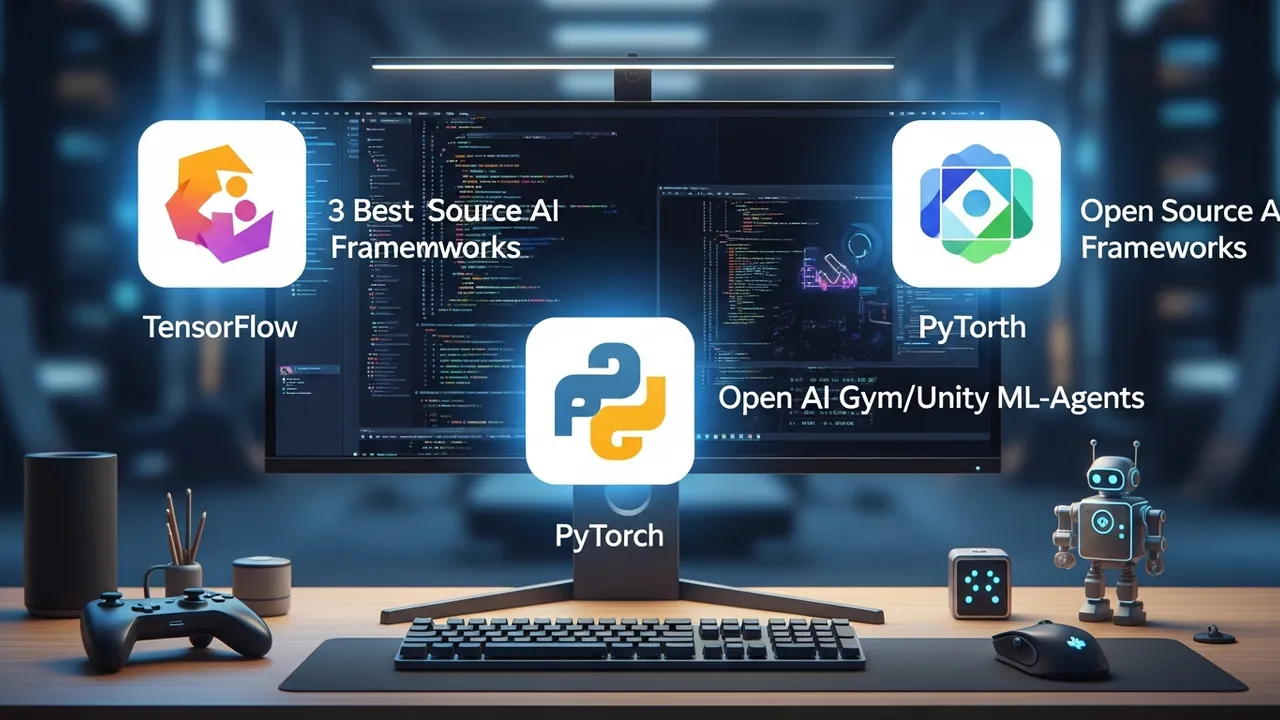
Explore the 3 most effective open-source AI frameworks to enhance your game logic. Perfect for developers looking for flexible and cost-effective solutions.
3 Best Open Source AI Frameworks for Game Dev
If you are diving into the world of game development, you know that building smart NPCs and responsive game worlds is no longer just for AAA studios with massive budgets. Thanks to the rise of open-source technology, indie developers now have access to powerful tools that were once locked behind expensive proprietary licenses. Today, we are going to break down the three best open-source AI frameworks that can take your game logic to the next level without breaking the bank.
Understanding Open Source AI Frameworks for Game Logic
When we talk about AI in games, we aren't just talking about ChatGPT-style chatbots. We are talking about pathfinding, decision trees, state machines, and procedural generation. Using an open-source framework means you get full access to the source code, allowing you to tweak the engine to fit your specific gameplay needs. Whether you are working in Unity, Godot, or a custom C++ engine, these frameworks provide the backbone for intelligent behavior.
1 ML Agents by Unity for Intelligent NPC Behavior
Unity ML-Agents is arguably the gold standard for developers who want to integrate machine learning into their projects. It is an open-source plugin that enables games and simulations to serve as environments for training intelligent agents. Instead of hard-coding every single movement, you use reinforcement learning to teach your NPCs how to navigate, fight, or solve puzzles.
Use Case: This is perfect for complex combat systems or racing games where you want the AI to learn from its mistakes rather than following a rigid script. If you are building a game where the enemy needs to adapt to the player's playstyle, ML-Agents is your go-to.
Pricing: Completely free and open-source under the Apache 2.0 license.
2 Godot AI Tools and Navigation Systems
Godot has been making waves in the indie community, and its built-in AI and navigation tools are a huge reason why. Unlike Unity, which often relies on external plugins, Godot offers a robust, integrated system for pathfinding and state management. The NavigationServer and NavigationRegion nodes allow for dynamic obstacle avoidance, which is essential for modern 3D games.
Use Case: Ideal for 2D platformers or 3D dungeon crawlers where you need efficient pathfinding without the overhead of heavy machine learning models. It is lightweight, fast, and incredibly easy to debug.
Pricing: Free and open-source under the MIT license.
3 Behavior Designer and Open Source Alternatives
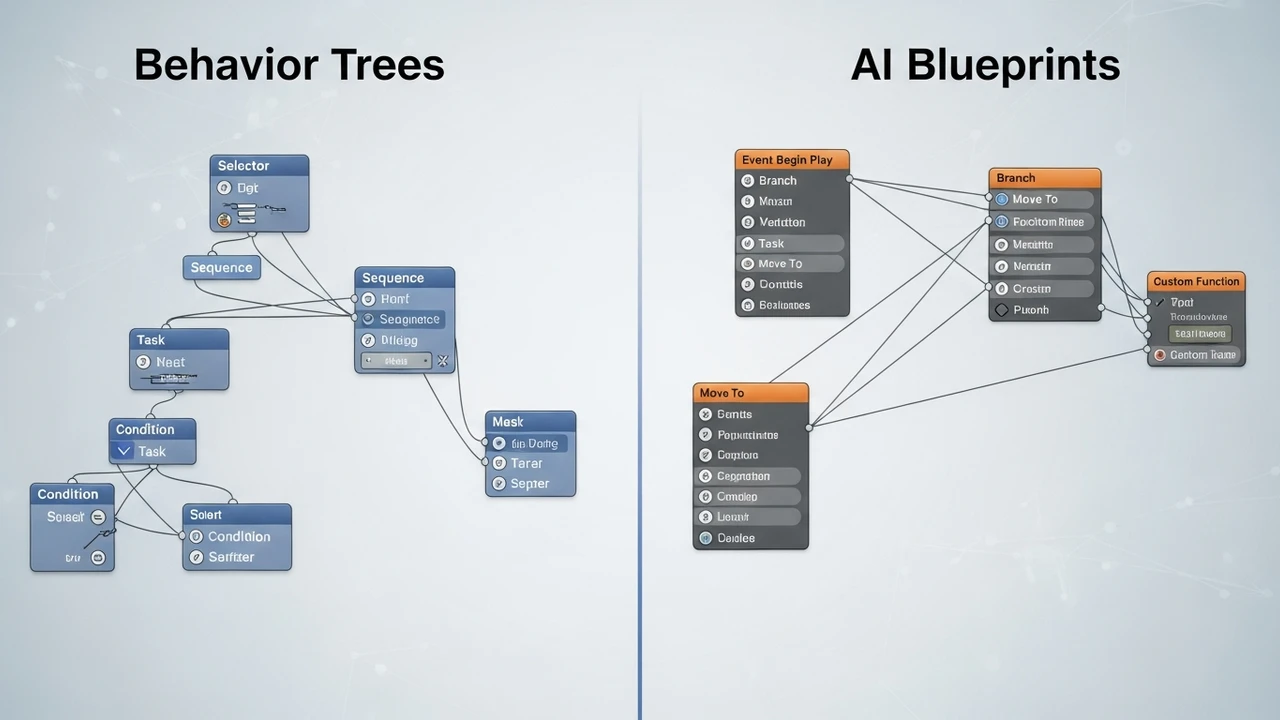
While many developers look for paid assets, there are several open-source behavior tree implementations available on GitHub that rival professional tools. Behavior trees are the industry standard for NPC decision-making. By using an open-source library, you can visualize your NPC's logic flow, making it easier to manage complex interactions like dialogue trees or stealth mechanics.
Comparison: When comparing these to proprietary tools like Behavior Designer, the main difference is the learning curve. Open-source alternatives might require a bit more setup, but they offer zero vendor lock-in. You own your code, and you can modify the tree nodes to handle custom game events that a standard plugin might not support.
Choosing the Right Framework for Your Project
Selecting the right tool depends entirely on your game's scope. If you are building a massive, data-driven simulation, Unity ML-Agents is the clear winner. If you are a solo dev working on a stylized 3D adventure, Godot’s native tools will save you hours of integration time. For those who need granular control over NPC logic, a dedicated open-source behavior tree library is the way to go.
Remember, the best framework is the one that doesn't get in the way of your creativity. Don't be afraid to experiment with these tools in a small prototype before committing to a full-scale project. The community support for these frameworks is massive, so you will never be short on tutorials or forum discussions when you hit a roadblock.
:max_bytes(150000):strip_icc()/277019-baked-pork-chops-with-cream-of-mushroom-soup-DDMFS-beauty-4x3-BG-7505-5762b731cf30447d9cbbbbbf387beafa.jpg)