5 Best AI Tools for Marketing Automation
Automate your marketing tasks with these 5 AI tools. Compare their ability to streamline workflows and improve efficiency.
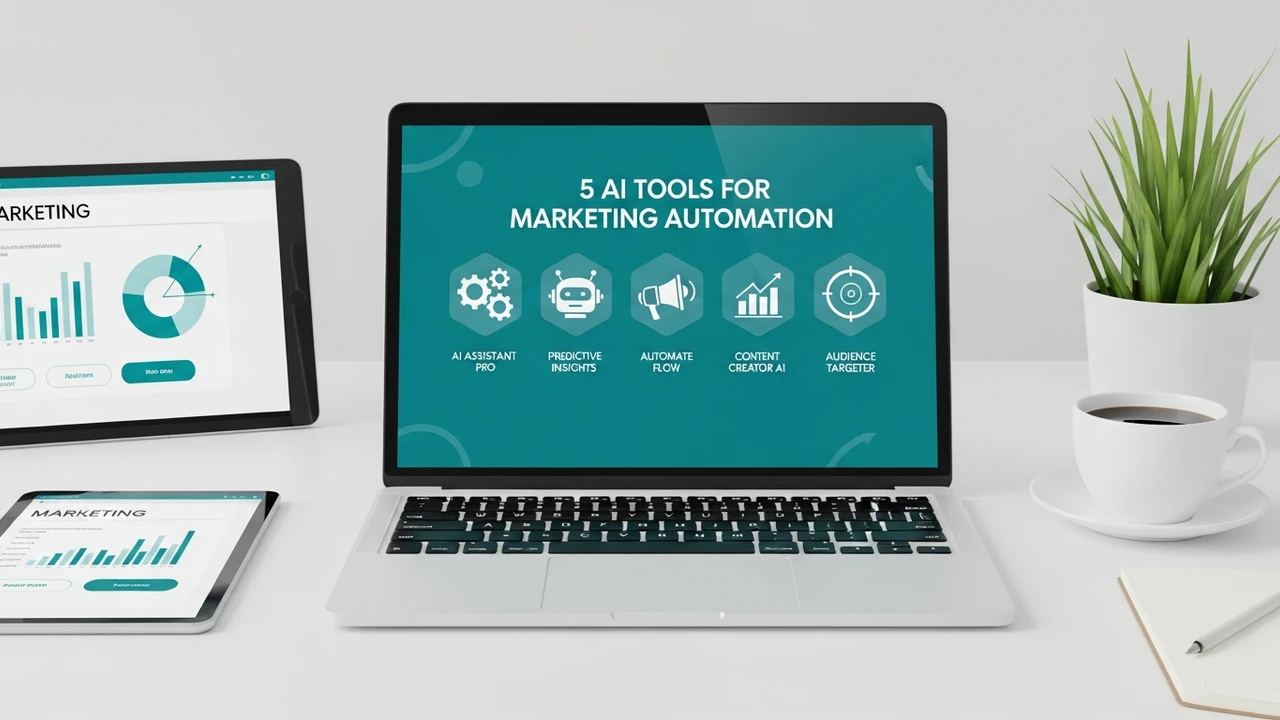
Automate your marketing tasks with these 5 AI tools. Compare their ability to streamline workflows and improve efficiency.
5 Best AI Tools for Marketing Automation in Game Development
If you are running a game studio, you know that the actual development is only half the battle. Once your game is ready, the real grind begins: marketing. Keeping up with social media, email campaigns, and player engagement while trying to fix bugs is a recipe for burnout. That is where AI marketing automation comes in. It is like having a tireless assistant who never sleeps, constantly pushing your game to the right audience. Let’s dive into the best tools that can take the weight off your shoulders.
Top AI Marketing Automation Platforms for Indie Studios
When we talk about automation, we are looking for tools that handle the repetitive stuff—scheduling posts, segmenting email lists, and even generating ad copy. For indie developers, budget is usually tight, so we need tools that offer high ROI. Here are the top contenders:
1. HubSpot Marketing Hub: This is the heavyweight champion. It is an all-in-one platform that handles everything from CRM to email automation. It is great if you have a larger team and need to track the entire player journey from the first click to the final purchase.
2. Zapier: While not a marketing platform per se, Zapier is the glue of the internet. You can connect your game’s Discord server to your Twitter, or your email list to your Google Sheets. It is essential for automating workflows without writing a single line of code.
3. Mailchimp with AI: Mailchimp has evolved way beyond just newsletters. Their AI features now help you optimize send times and generate subject lines that actually get opened. It is perfect for keeping your community updated on patch notes and new content drops.
4. Buffer: If your game relies heavily on social media, Buffer is a lifesaver. Their AI assistant helps you repurpose content across different platforms, ensuring your TikTok, Twitter, and Instagram feeds stay active even when you are deep in a crunch period.
5. ManyChat: This is a game-changer for community management. It automates DMs on Instagram and Facebook. If a player asks about a release date or a bug, ManyChat can provide an instant, personalized response, keeping them engaged without you having to be online 24/7.
Comparing Features and Pricing for Game Marketing Tools
Choosing the right tool depends on your studio size and your specific marketing goals. Let’s break down how these compare in terms of cost and utility.
HubSpot is definitely on the pricier side, with starter plans beginning around $20/month, but it scales up quickly. It is best for studios that are serious about data-driven growth. On the other hand, Zapier offers a generous free tier, making it the go-to for solo devs. You can start for free and only pay when your automation needs grow, usually starting at $20/month for more complex workflows.
Mailchimp is very accessible, with a free plan that works for small lists, and paid tiers starting around $13/month. Buffer is also very affordable, with a free plan for basic scheduling and a pro plan at $6/user/month. ManyChat is unique because it focuses on chat automation, with a free plan for basic features and a Pro version starting at $15/month based on your subscriber count.
Real World Use Cases for AI Automation in Gaming
Imagine you are launching a new update. Instead of manually posting to every social channel, you can use Buffer to schedule your announcements across all platforms simultaneously. While that is happening, ManyChat is handling the influx of questions in your DMs, and Mailchimp is sending out a personalized email to your most loyal players who haven't logged in for a while.
This setup saves you hours every single day. You are not just saving time; you are creating a consistent presence that makes your studio look much larger and more professional than it might actually be. The key is to start small. Pick one area—like social media or email—and automate that first. Once you see the time savings, you can start layering in more complex automations like player churn prediction or automated ad creative testing.
The landscape of game marketing is changing fast. Using these tools isn't just about being lazy; it is about being smart with your limited resources. By letting AI handle the repetitive tasks, you get to spend more time doing what you actually love: making great games. Whether you are a solo dev or part of a small team, there is an automation strategy here that can help you reach more players and build a stronger community without losing your mind in the process.
:max_bytes(150000):strip_icc()/277019-baked-pork-chops-with-cream-of-mushroom-soup-DDMFS-beauty-4x3-BG-7505-5762b731cf30447d9cbbbbbf387beafa.jpg)