Top 3 AI-Driven Game Development Platforms
Reviewing the top 3 platforms that integrate AI into the core development workflow. Save time on coding and asset creation with these innovative tools.
Reviewing the top 3 platforms that integrate AI into the core development workflow. Save time on coding and asset creation with these innovative tools.
Top 3 AI Driven Game Development Platforms
If you have been keeping an eye on the game dev scene lately, you know that the workflow is changing fast. We are moving away from the days of manually placing every single asset or writing every line of boilerplate code by hand. Today, it is all about AI-driven game development platforms. These tools are not just fancy add-ons; they are becoming the backbone of modern studios, helping indie devs and AAA teams alike ship faster and smarter. If you are wondering which platforms are actually worth your time, you are in the right place.
AI Game Engines and Workflow Integration
When we talk about AI-driven platforms, we are looking for tools that do more than just generate a texture. We want platforms that understand the context of your game. Whether it is procedural level generation, automated code completion, or smart NPC behavior, the best platforms act like a co-pilot. They handle the heavy lifting so you can focus on the creative vision. The integration of machine learning into the core engine architecture is what separates a standard engine from a truly AI-powered one.
Unity with ML Agents and Muse
Unity has been the go-to for years, but with the introduction of Unity Muse and their robust ML-Agents toolkit, it has leveled up significantly. Unity Muse is essentially a suite of AI-powered features that help you create assets, textures, and even code snippets directly inside the editor. It is incredibly intuitive for someone who is already comfortable with the Unity interface. The ML-Agents package, on the other hand, is a powerhouse for training intelligent agents using reinforcement learning. You can train NPCs to navigate complex environments or even playtest your game to find bugs before a human ever touches it. Pricing for Unity Muse starts around $30 per month, which is a steal considering the time it saves on asset creation.
Unreal Engine and the Power of MetaHuman and AI Plugins
Unreal Engine 5 is a beast, and when you pair it with the Epic ecosystem, it becomes an AI powerhouse. While Unreal does not have a single 'AI button,' its integration with tools like MetaHuman and the vast marketplace of AI plugins makes it unbeatable for high-fidelity projects. You can use AI-driven animation retargeting to save weeks of work, or leverage plugins like 'AI Behavior Trees' to create complex, reactive NPCs. The real magic happens when you combine Unreal’s Nanite and Lumen with AI-driven procedural generation tools. It is perfect for developers who want to build massive, living worlds without needing a team of a hundred artists. Unreal is free to start, with a royalty model that kicks in after you hit a certain revenue threshold, making it very accessible for indie devs.
Godot and the Rise of Open Source AI Tools
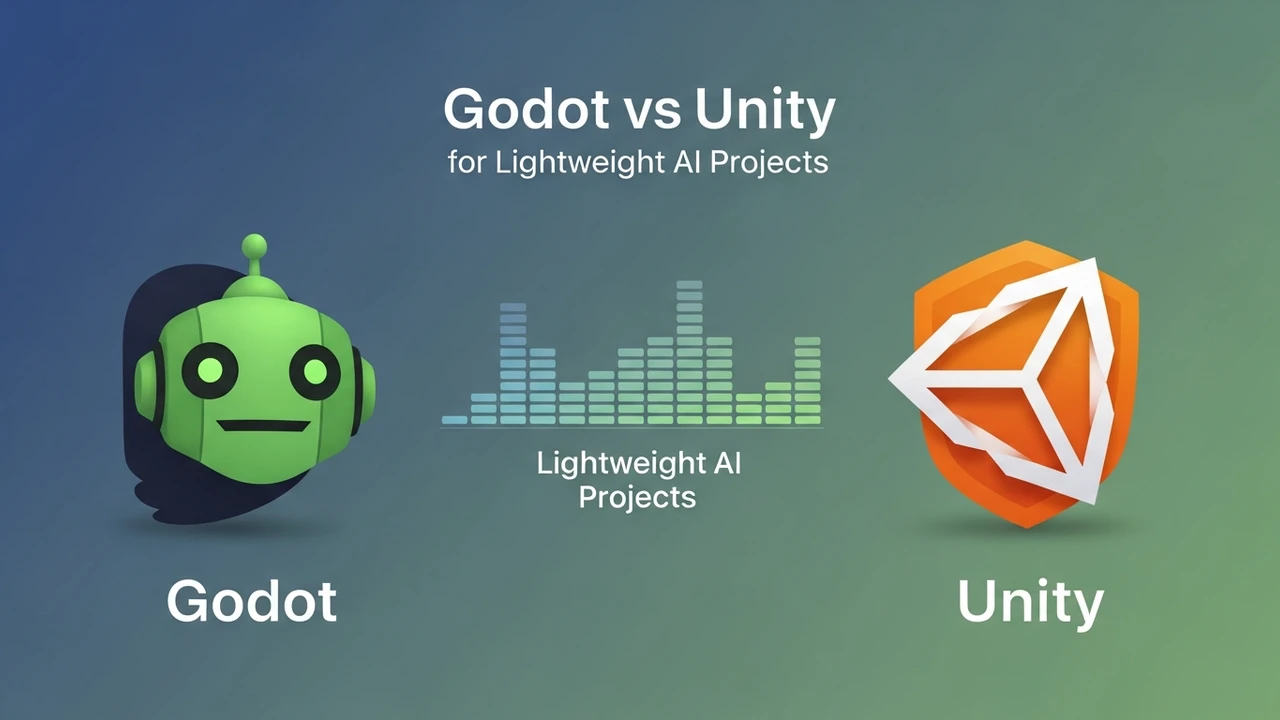
For those who prefer a lightweight, open-source approach, Godot is making waves. While it might not have the massive corporate backing of Unity or Unreal, the community-driven AI plugins for Godot are growing rapidly. Tools like 'Godot AI' and various Python-based integrations allow you to bring machine learning into your 2D or 3D projects without the bloat. It is the best choice if you are working on a smaller project and want full control over your codebase. Plus, it is completely free, which is a huge plus for solo developers on a tight budget. You will spend more time setting up your own AI pipelines compared to Unity, but the flexibility is unmatched.
Comparing the Platforms for Your Next Project
So, how do you choose? If you want an all-in-one solution with a massive library of assets and built-in AI tools, Unity is your best bet. If you are aiming for top-tier graphics and complex, realistic character interactions, Unreal Engine is the clear winner. And if you are a fan of open-source, lightweight development, Godot will give you the freedom you need. Think about your team size, your budget, and the specific type of game you are building. Are you making a 2D platformer or a massive open-world RPG? The answer to that will dictate which platform fits your workflow best. Remember, the best tool is the one that gets out of your way and lets you build the game you have always imagined.
:max_bytes(150000):strip_icc()/277019-baked-pork-chops-with-cream-of-mushroom-soup-DDMFS-beauty-4x3-BG-7505-5762b731cf30447d9cbbbbbf387beafa.jpg)